
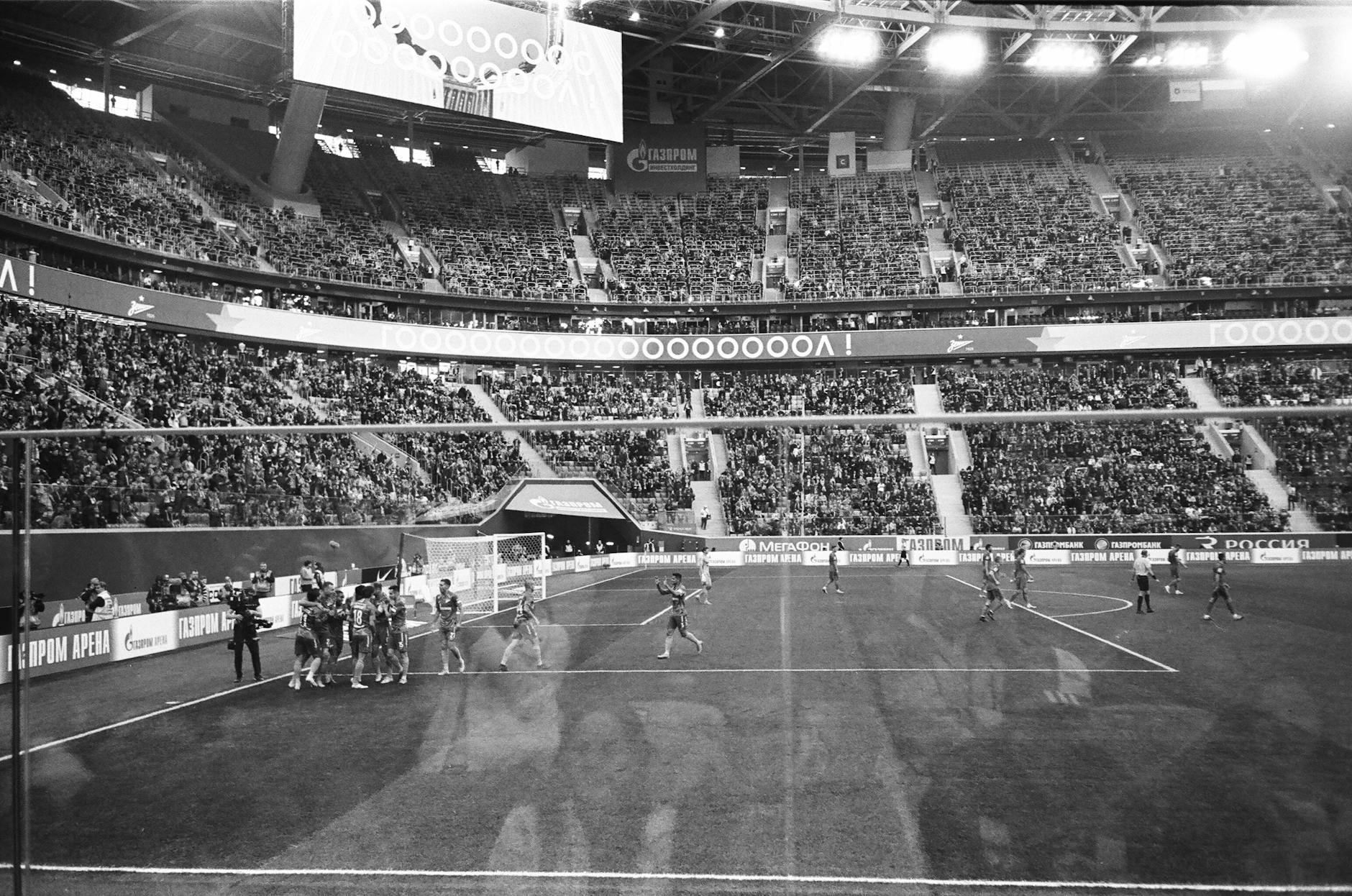
Organizing a major sports event is an intricate task that demands meticulous planning, effective coordination, and a clear vision from the onset. Whether it’s a national championship, an international tournament, or the Olympic Games, the success of these events hinges on seamless integration of various stakeholders, managing logistics, and delivering an unforgettable experience for both athletes and spectators.
Importance of vision and planning in sports event coordination

A clear vision is the foundation of any successful sports event. It sets the tone and direction, guiding the planning and execution processes. A well-defined vision helps in establishing the event’s identity, determining its goals, and creating a memorable experience for participants and attendees. It serves as a guiding light throughout the coordination process, ensuring that all decisions and actions are aligned with the overall objective of the event.
Effective planning is another crucial aspect of coordinating a major sports event. It involves defining the scope of the event, setting realistic goals, and creating a detailed roadmap to achieve them. This includes identifying key milestones, allocating resources, and establishing timelines for various tasks. A comprehensive plan ensures that all aspects of the event are considered and coordinated seamlessly, minimizing the chances of last-minute hiccups and maximizing the chances of success.
Key roles and responsibilities in coordinating a sports event
Coordinating a major sports event requires a dedicated team with clearly defined roles and responsibilities. Let’s take a look at some key positions that are essential for successful event coordination:
Event Director: The event director is responsible for overseeing the entire coordination process. They provide strategic guidance, make critical decisions, and ensure that the event stays on track. They act as the main point of contact for all stakeholders and are ultimately accountable for the event’s success.
Operations Manager: The operations manager is in charge of the logistical aspects of the event. They coordinate with vendors, manage venue setup and maintenance, and oversee transportation and accommodation arrangements. Their role is crucial in ensuring that all operational aspects run smoothly throughout the event.
Marketing and Communications Manager: This role is responsible for creating and implementing effective marketing and promotion strategies. They develop branding materials, manage social media campaigns, and coordinate media relations. Their aim is to generate buzz, increase attendance, and create a positive image of the event.
Creating a comprehensive event timeline
A well-structured event timeline is essential for coordinating a major sports event. It acts as a roadmap, ensuring that all tasks are completed in a timely manner and that there is sufficient time for review and adjustments. Here are some key steps in creating a comprehensive event timeline:
- Define the scope and objectives: Start by clearly defining the scope of the event and identifying its primary objectives. This will help in determining the timeline and allocating resources accordingly.
- Break down tasks: Break down the entire coordination process into smaller, manageable tasks. Assign responsible individuals or teams to each task and set realistic deadlines for completion.
- Identify dependencies: Identify any tasks that are dependent on the completion of other tasks. This will help in determining the order in which tasks need to be completed and ensure a smooth flow of work.
- Allocate resources: Determine the resources required for each task, including manpower, equipment, and finances. Ensure that all necessary resources are allocated in the timeline.
- Establish checkpoints: Set regular checkpoints throughout the timeline to review progress, address any issues, and make necessary adjustments. This will help in keeping the coordination process on track and ensuring timely completion of tasks.
By following these steps, you can create a comprehensive event timeline that will serve as a valuable tool for coordinating your major sports event.
Securing the necessary permits and permissions
Securing the necessary permits and permissions is a critical aspect of coordinating a major sports event. Failure to obtain the required authorizations can result in legal issues, delays, or even cancellation of the event. Here are some key steps to ensure a smooth process of securing permits and permissions:
- Identify the required permits: Research and identify all the permits and permissions that are necessary for your specific event. This may include permits for venue usage, road closures, alcohol sales, fireworks, and more.
- Contact the relevant authorities: Reach out to the appropriate authorities, such as local government agencies, sports governing bodies, and law enforcement, to understand the requirements and processes for obtaining the permits.
- Submit applications and documentation: Prepare all the necessary paperwork and submit the applications well in advance of the event. Ensure that you provide all the required documentation, such as event plans, safety protocols, insurance certificates, and any other supporting materials.
- Follow up and stay organized: Keep track of all your permit applications and follow up with the relevant authorities to ensure that they are processed in a timely manner. Maintain a comprehensive record of all communication and documentation related to the permits.
- Comply with regulations: Once you have obtained the necessary permits and permissions, ensure that you comply with all the regulations and conditions set forth by the authorities. This includes adhering to safety protocols, noise restrictions, waste management guidelines, and any other requirements specified in the permits.
By following these steps and staying organized throughout the process, you can secure the necessary permits and permissions with ease, ensuring a smooth and legally compliant coordination of your major sports event.
Budgeting and financial management for sports events
Effective budgeting and financial management are essential for the successful coordination of a major sports event. Without proper financial planning and monitoring, the event may face budget overruns, financial constraints, or even bankruptcy. Here are some key steps to ensure sound budgeting and financial management:
- Define the budget: Start by defining a realistic budget for your event. Consider all the expenses, including venue rental, equipment rental, staff salaries, marketing costs, permits, insurance, and contingency funds. Be thorough and leave no stone unturned when estimating the expenses.
- Track and monitor expenses: Throughout the coordination process, track and monitor all expenses to ensure that they align with the budget. Use a centralized system or software to keep records of all financial transactions and make it easier to analyze and manage the budget.
- Explore sponsorship opportunities: Seek sponsorship opportunities to alleviate some of the financial burdens. Approach potential sponsors and offer them attractive packages that align with their marketing objectives. Ensure that sponsorships are mutually beneficial and that they comply with any legal or ethical guidelines.
- Negotiate contracts: When dealing with vendors, negotiate contracts to get the best possible rates and terms. Explore bulk discounts, early payment discounts, and other cost-saving measures. Review all contracts carefully to ensure that they protect your interests and minimize financial risks.
- Regular financial reporting: Generate regular financial reports to keep track of the event’s financial performance. These reports should include income, expenses, and cash flow projections. Use them to identify any deviations from the budget and take corrective actions as needed.
By following these steps and adopting a proactive approach to budgeting and financial management, you can ensure the financial success of your major sports event.
Marketing and promotion strategies for sports events
Effective marketing and promotion strategies are essential for attracting participants and spectators to your major sports event. With the right marketing tactics, you can generate buzz, increase ticket sales, and create a memorable experience for attendees. Here are some key strategies to consider:
- Define your target audience: Identify the specific demographic and psychographic characteristics of your target audience. This will help you tailor your marketing messages and select the most appropriate channels to reach them.
- Develop a strong brand identity: Create a compelling brand identity for your event that conveys its unique value proposition. This includes designing a visually appealing logo, selecting a memorable tagline, and developing consistent branding materials.
- Utilize digital marketing: Leverage the power of digital marketing to reach a wider audience. This includes creating a user-friendly event website, optimizing it for search engines, and utilizing social media platforms to promote your event.
- Engage influencers: Collaborate with influential individuals in the sports industry to amplify your event’s reach. This could include partnering with athletes, coaches, sports journalists, or popular social media personalities who have a large following and can help create buzz around your event.
- Implement targeted advertising: Utilize targeted advertising channels, such as online display ads, search engine marketing, and social media advertising, to reach your specific audience segments. Use analytics and tracking tools to measure the effectiveness of your campaigns and make data-driven optimizations.
Coordinating logistics and operations during the event
Coordinating logistics and operations during the event is crucial for ensuring a smooth and successful experience for all participants and attendees. Here are some key aspects to consider:
- Venue setup and maintenance: Coordinate with the venue management team to ensure that the venue is set up according to the event requirements. This includes arranging seating, signage, lighting, sound systems, and any other necessary equipment. Regularly inspect the venue during the event to address any maintenance issues promptly.
- Transportation and accommodation: Coordinate transportation for athletes, officials, and attendees, ensuring that it is convenient and efficient. Provide clear instructions and schedules for transportation services and arrange accommodations for participants who require lodging.
- Staff coordination: Assign roles and responsibilities to your event staff and volunteers. Clearly communicate their duties and provide them with the necessary training and resources. Establish effective communication channels to ensure smooth coordination among the team during the event.
- Emergency preparedness: Develop a comprehensive emergency plan that includes protocols for medical emergencies, severe weather conditions, and other unforeseen circumstances. Train staff and volunteers on emergency procedures and ensure that medical personnel and equipment are readily available on-site.
- Catering and concessions: Coordinate food and beverage services, including concessions and catering for VIPs and athletes. Ensure that there are sufficient options to cater to different dietary requirements and preferences.
By carefully coordinating logistics and operations during the event, you can create a seamless and enjoyable experience for all participants and attendees.
Ensuring safety and security at sports events
Ensuring safety and security at sports events is of paramount importance. The well-being of participants and attendees should be the top priority throughout the coordination process. Here are some key measures to consider:
- Security personnel: Hire trained security personnel to ensure the safety of participants and attendees. They should be responsible for crowd management, bag checks, and overall security of the venue. Establish communication protocols with local law enforcement agencies to coordinate security efforts.
- Safety protocols: Develop and implement comprehensive safety protocols that address various potential risks, such as fire hazards, medical emergencies, and crowd disturbances. Communicate these protocols to all staff, volunteers, and participants, and conduct regular drills to ensure everyone is familiar with the procedures.
- Medical support: Arrange for medical support on-site, including first aid stations and qualified medical personnel. Ensure that medical personnel are readily available to handle any injuries or health emergencies that may occur during the event.
- Risk assessment: Conduct a thorough risk assessment prior to the event to identify potential safety hazards. This includes reviewing the venue for structural integrity, assessing crowd capacity, and analyzing any specific risks associated with the sports being played.
- Communication and signage: Clearly communicate safety instructions and guidelines to all attendees through appropriate signage, announcements, and informational materials. Ensure that emergency exits and evacuation routes are clearly marked and easily accessible.
By implementing these safety and security measures, you can create a secure environment for participants and attendees, ensuring a successful and incident-free sports event.
Evaluating and measuring the success of a sports event
Evaluating and measuring the success of a sports event is essential for future planning and improvement. It helps you understand what worked well and what could be enhanced in future events. Here are some key aspects to consider:
- Attendance and participation: Measure the overall attendance and participation rates to gauge the event’s popularity and success. Compare these figures to your initial targets and assess whether they were met or exceeded.
- Participant and attendee feedback: Collect feedback from participants and attendees through surveys, interviews, or online reviews. Analyze this feedback to identify areas of improvement and gather insights for future events.
- Media coverage and social media buzz: Analyze media coverage and social media conversations around the event. Assess the reach and sentiment of the coverage to gauge the event’s impact and visibility.
- Financial performance: Evaluate the event’s financial performance by comparing the actual expenses and revenues against the initial budget. Identify any areas of overspending or revenue shortfalls and analyze the reasons behind them.
- Sponsor satisfaction: Gather feedback from sponsors to assess their satisfaction with the event. Understand whether they achieved their marketing objectives and whether they are likely to continue sponsoring future events.
By evaluating these key aspects and measuring the success of your sports event, you can gather valuable insights that will inform future planning and enable continuous improvement.
Case studies of successful sports event coordination
To further illustrate the principles and strategies discussed, let’s take a look at two case studies of successful sports event coordination:
- The Olympic Games: The Olympic Games are the pinnacle of sports events, bringing together thousands of athletes from around the world. The successful coordination of the Olympic Games involves meticulous planning, extensive infrastructure development, and effective stakeholder management. The event’s vision is to promote peace and unity through sports, and this vision drives all aspects of the coordination process. From securing venues and permits to managing logistics and ensuring safety, the Olympic Games exemplify the highest standards of event coordination.
- The Super Bowl: The Super Bowl is an annual event that attracts millions of viewers and generates a substantial economic impact for the host city. Its success is a result of careful coordination of various aspects, including venue selection, marketing campaigns, and entertainment programming. The event’s vision is to create a memorable experience for football fans, and this vision is executed through well-planned halftime shows, engaging advertisements, and interactive fan experiences. The Super Bowl serves as a model for effective sports event coordination on a large scale.
Conclusion: Key takeaways and final thoughts about Major Sports Event Coordination
Coordinating a major sports event requires a combination of vision, planning, and effective execution. From defining the event’s objectives to evaluating its success, every step of the coordination process is crucial. By following the strategies outlined in this article and learning from successful case studies, you can ensure a seamless and memorable experience for all participants and attendees. Remember, a clear vision, meticulous planning, and attention to detail are the keys to turning your sports event from a vision into a reality.
Ready to transform your sports event into a spectacular success? Visit our blog for more expert advice and resources on sports event management. Don’t miss out on elevating your event planning skills!
Leave a Reply