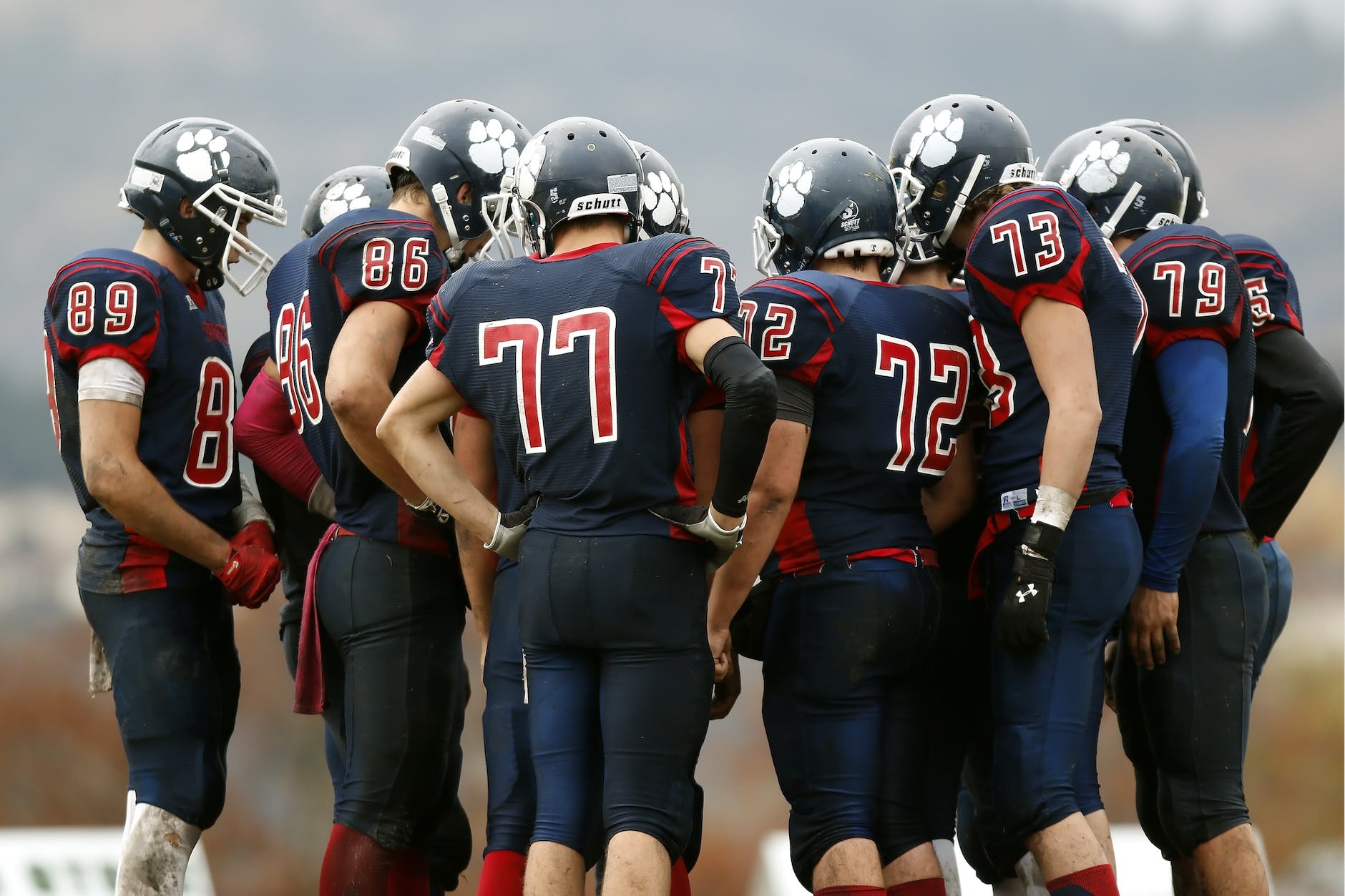
As a sports executive aiming to elevate your team, it’s essential to recognize that building winning teams strategies involve more than just skilled players and talented coaches. Success in sports requires a strategic approach and a profound understanding of the dynamics that drive success. In the fast-paced and competitive world of sports, staying ahead of the game is crucial.
The importance of building winning teams in sports

Building a winning team is not just about winning games or championships. It’s about creating a legacy, a culture of excellence that stands the test of time. A winning team brings pride to the organization and the community it represents. It inspires and motivates athletes to perform at their best, pushing the boundaries of their abilities. A winning team attracts sponsors and fans, creating a positive impact on the financial health of the organization. Moreover, a winning team sets an example for future generations, demonstrating the power of teamwork, discipline, and determination.
To build a winning team, sport executives must prioritize the development of a strong team culture. This culture should emphasize values such as hard work, respect, and camaraderie. It should create an environment where athletes feel supported, motivated, and empowered to give their best effort. A winning team culture fosters a sense of belonging and unity, where everyone is working towards a common goal. It creates an atmosphere of accountability, where each individual understands their role and responsibilities.
The role of a sport executive in team building
The role of a sport executive in team building cannot be understated. As the leader of the organization, the sport executive is responsible for setting the vision, mission, and goals of the team. They provide the strategic direction and create the framework within which the team operates. The sport executive must have a deep understanding of the sport and the industry, as well as the ability to identify and attract the right talent.
One of the key responsibilities of a sport executive is recruiting and selecting talented athletes. This requires a meticulous process of scouting, evaluating, and interviewing potential candidates. The sport executive must have a keen eye for talent and the ability to assess an individual’s skills, character, and potential. They must also consider the team’s specific needs and dynamics, ensuring that each new recruit is a good fit for the team.
Strategies for recruiting and selecting talented athletes
Recruiting and selecting talented athletes is a critical component of building a winning team. It requires a strategic approach and a deep understanding of the sport, as well as knowledge of the market and competition. Here are some strategies that sport executives can employ to attract and select the best talent:
1. Scouting: Invest in a robust scouting network to identify potential talent early on. Attend tournaments, matches, and competitions to observe athletes in action. Build relationships with coaches, agents, and other stakeholders in the sport.
2. Data-driven analysis: Utilize data and analytics to assess the performance and potential of athletes. Look beyond traditional statistics and consider advanced metrics that provide insights into an individual’s impact on the game.
3. Character assessment: Evaluate an athlete’s character, work ethic, and attitude. Look for individuals who are coachable, resilient, and team-oriented. Conduct interviews and reference checks to gain a deeper understanding of an individual’s personality and values.
4. Cultural fit: Consider the team’s culture and values when selecting new recruits. Look for individuals who align with the team’s vision and can contribute positively to the existing dynamics. Seek diversity in skills, backgrounds, and perspectives to create a well-rounded team.
Creating a positive team culture
A positive team culture is the foundation of a winning team. It sets the tone for how athletes interact with each other, coaches, and staff. A positive team culture is built on trust, respect, and open communication. It encourages collaboration, innovation, and continuous improvement. Here are some strategies that sport executives can employ to create a positive team culture:
5. Lead by example: Sport executives must embody the values and behaviors they expect from athletes. They must demonstrate integrity, professionalism, and a commitment to excellence. By leading by example, sport executives set the standard for the entire organization.
6. Effective communication: Establish clear channels of communication within the team. Encourage open and honest dialogue, where athletes feel comfortable expressing their thoughts and concerns. Foster a culture of active listening and empathy, where everyone’s voice is heard and valued.
7. Team-building activities: Organize team-building activities that promote camaraderie and trust. These activities can include training camps, retreats, and social events. Team-building activities provide an opportunity for athletes to bond, develop relationships, and understand each other better.
Developing effective communication within the team
Effective communication is essential for building a winning team. It ensures that athletes are on the same page, understand their roles and responsibilities, and can make quick decisions on the field. Here are some strategies that sport executives can employ to develop effective communication within the team:
8. Clear expectations: Clearly communicate the team’s goals, strategies, and expectations. Ensure that each athlete understands their role and responsibilities. Provide regular feedback and guidance to help athletes improve their performance.
9. Regular team meetings: Schedule regular team meetings to discuss game plans, tactics, and performance. Create a safe and inclusive environment where athletes feel comfortable sharing their thoughts and ideas. Encourage active participation and collaboration.
10. Technology tools: Utilize technology tools such as video analysis software, communication platforms, and data tracking systems to facilitate communication within the team. These tools can help athletes visualize their performance, analyze game footage, and provide real-time feedback.
Building trust and fostering team cohesion
Trust and team cohesion are essential ingredients for a winning team. When athletes trust each other, they can rely on one another to perform their roles effectively. Team cohesion creates a sense of unity and purpose, where athletes are willing to sacrifice individual glory for the success of the team. Here are some strategies that sport executives can employ to build trust and foster team cohesion:
11. Shared goals: Create a shared sense of purpose by establishing clear goals and objectives for the team. Ensure that each athlete understands how their individual contributions contribute to the overall success of the team.
12. Team-building exercises: Organize team-building exercises that promote trust, collaboration, and teamwork. These exercises can include problem-solving activities, group challenges, and team-building workshops.
13. Conflict resolution: Address conflicts and disagreements within the team promptly and constructively. Create a safe space for athletes to express their concerns and find mutually beneficial solutions. Encourage open and honest communication to prevent conflicts from escalating.
Building Winning Teams: Strategies forImplementing performance management systems
A performance management system is a vital tool for sport executives to monitor and evaluate the performance of athletes. It provides a framework for setting goals, tracking progress, and providing feedback. Here are some strategies that sport executives can employ to implement effective performance management systems:
14. Goal setting: Establish clear and measurable goals for individual athletes and the team as a whole. Ensure that goals are challenging yet achievable, and aligned with the team’s overall objectives. Regularly revisit and revise goals as needed.
15. Performance tracking: Utilize technology tools and data analytics to track and analyze athletes’ performance. Monitor key performance indicators (KPIs) such as scoring, assists, and defensive statistics. Provide athletes with regular feedback based on objective data.
16. Performance reviews: Conduct regular performance reviews to evaluate athletes’ progress and provide feedback. These reviews should be constructive, focusing on strengths, areas for improvement, and actionable steps for development.
Building Winning Teams: Strategies for motivating and inspiring athletes
Motivation is a key driver of performance in sports. Sport executives play a crucial role in motivating and inspiring athletes to give their best effort. Here are some strategies that sport executives can employ to motivate and inspire athletes:
17. Recognition and rewards: Recognize and reward athletes for their achievements and contributions. Celebrate individual and team successes publicly, and provide incentives for exceptional performance.
18. Individualized approach: Understand each athlete’s unique motivations and tailor your approach accordingly. Some athletes may be driven by competition, while others may be motivated by personal growth or the desire to make a positive impact on their community.
19. Continuous development: Provide opportunities for athletes to develop their skills and knowledge. Invest in professional development programs, workshops, and mentorship opportunities. Create an environment where athletes feel supported and encouraged to continuously improve.
The impact of team building on overall performance
Team building significantly influences a team’s overall performance. When athletes feel connected, trust each other, and share a common goal, their collective performance improves. Team building enhances communication, collaboration, and decision-making, as well as resilience, adaptability, and problem-solving skills. A cohesive team is better equipped to handle adversity, overcome challenges, and achieve success. The impact of team building extends beyond the field, creating a positive and supportive environment for athletes to thrive, which is a crucial aspect of building winning teams strategies.
Conclusion
Building winning teams strategies demand a strategic approach and a deep understanding of success dynamics in sports. Sports executives are pivotal in team building, from recruiting talented athletes to fostering a positive team culture. Effective communication, trust, and cohesion are crucial for success. Implementing performance management systems and motivational strategies enhances team performance. By focusing on team building, sports executives can create a lasting legacy of excellence.
Discover more insights and strategies for building winning teams by visiting our blog and exploring our resources. Start your journey to excellence today!