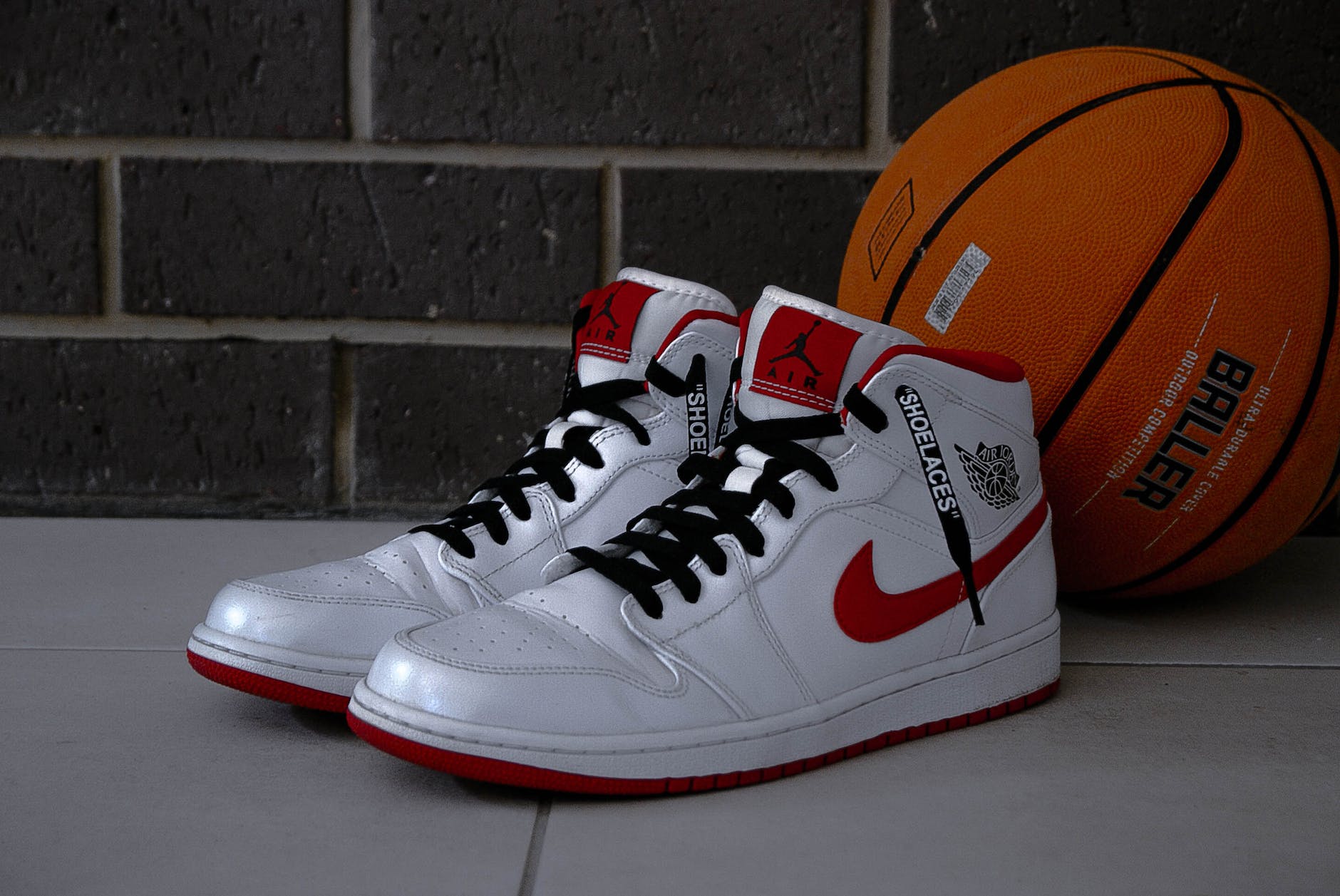
Sports marketing has always been a crucial aspect of the sports industry. It involves promoting and selling sports-related products, events, and experiences to a target audience. Over the years, sports marketing has evolved significantly, adapting to changes in technology and consumer behavior. In this article, we will delve into the world of sports marketing, exploring its evolution, the impact of digital technology, successful campaigns, the future of the industry, and the role of social media. Join me on this exciting journey as we discuss the revolutionizing game of sports marketing.
What is sports marketing?

Sports marketing can be defined as the process of promoting and selling sports-related products, events, and services to the target audience. It involves various marketing strategies and techniques to engage fans, build brand awareness, and drive revenue. Sports marketing encompasses a wide range of activities, including advertising, sponsorship, public relations, and social media marketing.
In today’s competitive sports industry, effective marketing is essential for teams, athletes, and brands to stand out from the crowd. It helps generate fan loyalty, attract sponsors, and create a memorable experience for spectators. Sports marketing not only benefits the stakeholders involved but also contributes to the growth and development of the sports industry as a whole.
The evolution of sports marketing
Sports marketing has come a long way since its inception. In the early days, marketing efforts were limited to basic techniques such as print advertisements, billboards, and radio spots. However, with the advent of television and the internet, sports marketing entered a new era.
Television revolutionized sports marketing by providing a platform to reach a mass audience. Brands began sponsoring sports events and teams, leveraging the popularity of sports to increase brand visibility and connect with consumers. This led to the rise of iconic partnerships between brands and athletes, such as Nike and Michael Jordan.
The internet further transformed sports marketing by opening up new avenues for engagement and interaction. Websites, social media platforms, and mobile applications allowed fans to connect with their favorite teams and athletes on a whole new level. Brands started creating online content, organizing virtual events, and utilizing data analytics to understand consumer behavior better. The evolution of sports marketing has been driven by the constant pursuit of innovation and the desire to deliver a personalized and immersive experience to fans.
The impact of digital technology on sports marketing
Digital technology has had a profound impact on sports marketing, revolutionizing the way brands engage with fans and consumers. With the rise of smartphones and social media, fans now have instant access to sports content and can actively participate in the conversation. This shift in consumer behavior has forced brands to adapt their marketing strategies to stay relevant and capture the attention of their target audience.
One of the significant changes brought about by digital technology is the rise of influencer marketing in sports. Athletes and sports personalities now have a direct line of communication with their fans through social media platforms. Brands are leveraging this influence by partnering with athletes to promote their products and services, creating a more authentic and relatable marketing experience.
Digital technology has also transformed the way sports events are consumed. With live streaming platforms and virtual reality experiences, fans can now watch games from the comfort of their homes and feel as if they are part of the action. This has opened up new opportunities for brands to engage with fans during live events, through interactive ads and real-time social media engagement.
Successful marketing campaigns and examples
Throughout the years, several sports marketing campaigns have captured the hearts and minds of fans worldwide. These campaigns have not only generated significant revenue but have also left a lasting impact on the sports marketing landscape. Let’s take a look at some of the most successful sports marketing campaigns and examples:
- Nike’s “Just Do It” Campaign: Nike’s iconic slogan has become synonymous with sports excellence and motivation. The “Just Do It” campaign, launched in 1988, featured renowned athletes like Michael Jordan and encouraged individuals to push their limits and strive for greatness. This campaign not only boosted Nike’s brand image but also inspired a generation of athletes.
- Red Bull’s Extreme Sports Sponsorship: Red Bull has become synonymous with extreme sports, thanks to its strategic sponsorship and marketing efforts. The energy drink brand has sponsored various extreme sports events and athletes, creating a strong association between their product and the adrenaline-fueled world of extreme sports.
- Gatorade’s “Be Like Mike” Campaign: Gatorade’s “Be Like Mike” campaign, featuring basketball legend Michael Jordan, became a cultural phenomenon in the 1990s. The campaign showcased the benefits of Gatorade for athletes, positioning the beverage as an essential part of sports performance. This campaign not only increased Gatorade’s market share but also solidified its status as the go-to sports drink.
These examples highlight the power of storytelling, brand association, and emotional connection in sports marketing. Successful campaigns are those that resonate with the target audience, evoke emotions, and align with the values and aspirations of sports fans.
The future of sports marketing
As we look towards the future, it is clear that sports marketing will continue to evolve and adapt to new technologies and consumer trends. Here are some key trends that will shape the future of sports marketing:
The role of social media
Social media has become an integral part of sports marketing, allowing brands to engage with fans on a personal level and create a sense of community. Platforms like Facebook, Instagram,TikTok,Youtube,Snapchat and X provide a space for real-time updates, behind-the-scenes content, and interactive experiences.
The rise of e-sports and its effect on sports marketing
E-sports, or competitive video gaming, has grown exponentially in recent years, attracting a massive global audience. This presents a unique opportunity for brands to engage with a younger demographic and tap into the world of gaming.
Sports marketing strategies will adapt to sponsor e-sports teams, gaming events, and create immersive experiences for gamers.
Marketing strategies for the digital age
With the rise of digital technology, sports marketing strategies will need to embrace data analytics, personalization, and immersive experiences. Brands will need to leverage data to understand consumer behavior, create personalized marketing campaigns, and deliver tailored experiences to fans. Augmented and virtual reality will create immersive sports experiences, engaging fans like never before.
The importance of data analytics in sports marketing
Data analytics will be vital for sports marketing’s future. By analyzing consumer data, brands can tailor marketing strategies for better fan engagement.
In conclusion, the future of sports marketing is shaped by social media, e-sports, digital strategies, and data analytics. Brands that adapt and offer personalized experiences will thrive in this evolving landscape. Get ready to transform sports marketing!
Stay ahead in sports marketing by exploring our latest insights and resources. Dive in now!