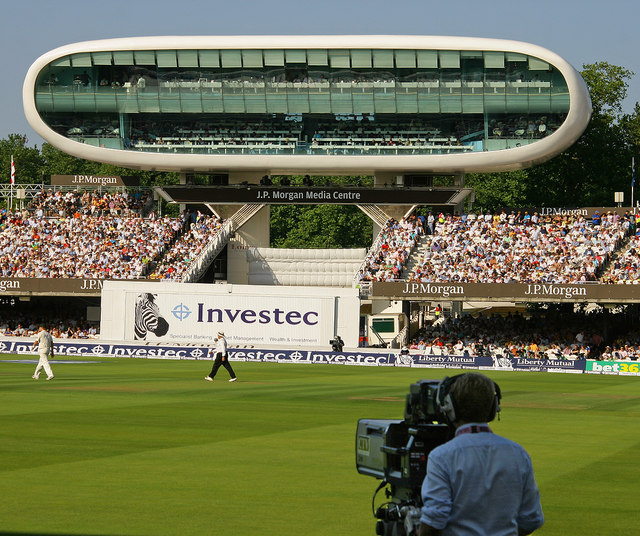
Boosting Media exposure can change the future of an athlete, team, or sports organization.
It can build reputation, attract sponsors, grow fan engagement, open business opportunities, and create stronger public trust.
But media exposure does not happen by accident.
Many athletes and sports organizations wait for journalists, broadcasters, or brands to discover them. The problem is that the sports world is crowded. Every team wants attention, athlete wants recognition, and every event wants coverage.
To stand out, athletes and sports organizations need a clear media strategy.
Boosting media exposure in sports is not only about getting featured in the news. It is about building a strong story, creating useful content, engaging with the right people, and positioning yourself as someone worth following, covering, and supporting.
Whether you are an athlete, club, federation, academy, or sports entrepreneur, the goal is the same: become visible for the right reasons.
Understanding the Sports Media Landscape
The sports media landscape has changed.
In the past, exposure depended heavily on television, newspapers, radio, and magazines. Today, sports media includes websites, podcasts, YouTube channels, social media platforms, newsletters, streaming platforms, influencers, and athlete-owned media.
This creates both opportunity and pressure.
The opportunity is that athletes and teams no longer need to depend only on traditional media. They can build their own audience directly.
The pressure is that attention is now harder to earn. Fans are exposed to endless content every day. Journalists receive many pitches. Sponsors look for more than talent. They want personality, influence, professionalism, and audience connection.
This means sports teams and athletes must understand where their audience spends time and what kind of content they care about.
A young athlete may grow faster on TikTok, Instagram, and YouTube Shorts. A sports executive, federation, or club leader may benefit more from LinkedIn, podcasts, industry publications, and business media. A professional club may need a mix of matchday content, community stories, behind-the-scenes access, and sponsor-friendly campaigns.
The first step is not to post everywhere.
The first step is to understand where your story has the highest value.
Build a Strong Brand Before Seeking Exposure
Before asking for media coverage, athletes and sports organizations need to answer a simple question:
What do we want to be known for?
This is where personal branding and organizational branding become important.
For athletes, a strong personal brand is built around more than performance. Performance matters, but media and sponsors also care about personality, discipline, values, background, journey, and impact.
An athlete can be known for resilience, leadership, community work, comeback stories, technical excellence, youth inspiration, or representing a new generation of talent.
For teams and organizations, the brand may be built around identity, fan culture, development philosophy, community impact, innovation, or a clear sporting vision.
A strong brand gives media outlets a reason to pay attention.
Without a clear brand, the message becomes generic. With a clear brand, every interview, social post, video, article, and media appearance supports the same story.
This makes exposure easier to build and easier to remember.
Use Storytelling to Make People Care
Sports is full of stories.
The mistake many athletes and organizations make is that they only share results.
Results matter, but stories create connection.
A match result may get attention for one day. A powerful story can build long-term loyalty.
Good sports storytelling can include:
- The journey behind an athlete’s success
- The sacrifices behind training
- The culture inside a team
- The mission of a federation or academy
- The impact of sport on a community
- The story of recovery after injury
- The rise of young talent
- The people behind the scenes
The best media stories are not always about winning. They are about meaning.
For example, a young athlete preparing for a major competition can become a story. A club building a new youth academy can become a story. A federation increasing participation in a sport can become a story. A team supporting its local community can become a story.
Media exposure improves when you stop asking, “How do we get coverage?” and start asking, “What story is worth covering?”
Create Content That Media Can Use
If you want media coverage, make it easier for journalists, editors, and content creators to understand and share your story.
This means creating media-friendly content.
Athletes and sports organizations should prepare strong photos, short biographies, key achievements, high-quality videos, quotes, statistics, background information, and clear contact details.
A simple media kit can make a big difference.
For an athlete, this could include:
- Short bio
- Professional photos
- Career highlights
- Recent achievements
- Social media links
- Sponsorship profile
- Contact information
For a team, club, or federation, it could include:
- Organization profile
- Leadership information
- Key programs
- Recent news
- Event calendar
- Community impact
- Sponsorship opportunities
- Media contact
Journalists often work under tight deadlines. If your materials are clear, professional, and easy to use, your chances of being featured improve.
Good media exposure is not only about visibility. It is also about readiness.
Leverage Social Media With Purpose
Social media is one of the most powerful tools for boosting media exposure in sports.
But posting randomly is not a strategy.
Athletes and teams should use social media to build a clear and consistent presence. The goal is to show who you are, what you stand for, and why people should follow your journey.
Useful content may include:
- Training clips
- Matchday moments
- Behind-the-scenes videos
- Personal reflections
- Community activities
- Short educational posts
- Sponsor activations
- Recovery and preparation routines
- Interviews and media appearances
Consistency matters more than perfection.
A strong social media presence can attract journalists because it shows public interest. It can attract sponsors because it shows audience engagement. It can attract fans because it creates emotional connection.
The key is to avoid treating social media as only a highlight reel.
People connect with honesty, progress, personality, and purpose.
Build Relationships With Journalists and Media Outlets
Media exposure depends heavily on relationships.
Athletes, clubs, federations, and sports organizations should not only contact journalists when they need coverage. They should build long-term professional relationships.
This can be done by sharing useful updates, offering expert comments, inviting media to events, providing access to athletes or coaches, and responding quickly when journalists request information.
A good media relationship is based on trust.
Do not send weak or generic pitches, exaggerate, and waste a journalist’s time. Instead, provide clear story ideas, strong angles, and relevant information.
A strong media pitch should answer:
- Why is this story important now?
- Why would the audience care?
- What makes this athlete, team, or event different?
- What access or insight can you provide?
- Why is this relevant to the media outlet?
When media professionals trust you, they are more likely to come back to you for future stories.
Maximize Media Opportunities at Events
Sports events are powerful media moments.
Matches, tournaments, launches, award ceremonies, training camps, community events, and press conferences all create opportunities for exposure.
But these opportunities must be planned.
Before an event, prepare the story angles. Identify which media outlets should be invited. Prepare quotes, photos, press releases, and interview opportunities. Make sure media guests know where to go, who to speak to, and what content they can access.
During the event, create a media-friendly environment. Provide clear access, strong visuals, good interview locations, and quick updates.
After the event, share photos, highlights, results, quotes, and follow-up stories.
Many organizations lose media value because they only focus on delivering the event. They forget to package the event as a story.
Every sports event should have a media plan.
Use Partnerships to Expand Reach
Partnerships can also help boost media exposure.
Sponsors, influencers, creators, clubs, federations, community organizations, and media platforms can all help amplify a story.
The key is to choose partners that match the brand.
An athlete can collaborate with a fitness brand, nutrition company, school, charity, or content creator. A team can partner with local businesses, tourism organizations, broadcasters, or community programs. A federation can work with government entities, international bodies, sponsors, and development partners.
Good partnerships should not feel forced.
They should make sense to the audience and add value to the story.
When partnerships are built well, they expand reach, increase credibility, and create more reasons for media outlets to pay attention.
Measure Media Exposure Properly
Media exposure should be measured.
Many athletes and organizations celebrate coverage without understanding its real impact.
Useful metrics include:
- Number of media mentions
- Quality of media outlets
- Social media engagement
- Website traffic
- Follower growth
- Sponsor inquiries
- Speaking or partnership opportunities
- Search visibility
- Audience sentiment
- Conversion to ticket sales, sign-ups, or inquiries
The goal is not only to be seen.
The goal is to be seen by the right people and create meaningful outcomes.
For example, one feature in a respected industry publication may be more valuable than several random mentions with no strategic audience.
Good media strategy focuses on quality, not only quantity.
Common Mistakes to Avoid
Many athletes and sports organizations struggle with media exposure because they repeat the same mistakes.
The first mistake is waiting until something big happens. Media exposure should be built consistently, not only during major events.
The second mistake is focusing only on achievements. Achievements are important, but the story behind them is often more powerful.
The third mistake is using generic messaging. If every athlete says they are hardworking and passionate, nobody stands out.
The fourth mistake is ignoring professional presentation. Poor photos, weak bios, unclear contact information, and messy social media profiles can reduce opportunities.
The fifth mistake is chasing attention without strategy. Not every platform, journalist, or partnership is right for your brand.
Media exposure should support a bigger goal.
That goal may be sponsorship, fan growth, public trust, recruitment, ticket sales, speaking opportunities, or long-term authority.
Media Exposure Is Built Through Strategy
Boosting media exposure in sports is not about luck.
It is about strategy, consistency, storytelling, relationships, and professionalism.
Athletes, teams, clubs, federations, and sports organizations must take control of their narrative. They must understand their audience, build a clear brand, create strong content, work with media professionals, and measure what matters.
The sports world rewards talent, but talent alone is not always enough.
Visibility matters.
Reputation matters.
Story matters.
The athletes and organizations that understand this will have a stronger chance of attracting fans, sponsors, media attention, and long-term opportunities.
In today’s sports industry, media exposure is not just a marketing activity.
It is a leadership tool.
For more insights on sports leadership, athlete branding, sports management, and media strategy, explore more articles on my website or subscribe to receive future insights.