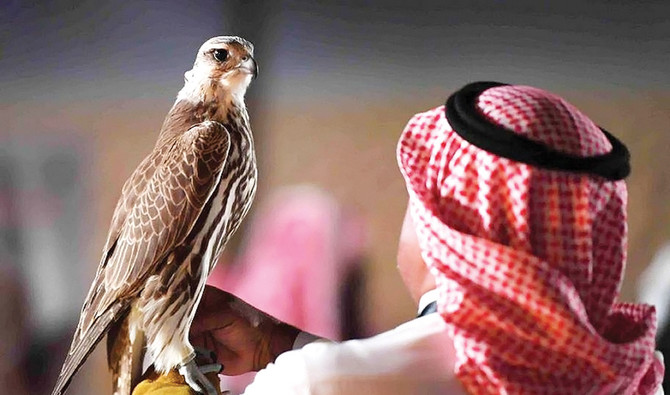
Traditional sports in Saudi Arabia are more than competitions.
They are part of the Kingdom’s identity.
Long before modern stadiums, professional leagues, and global sporting events, sports such as camel racing, falconry, horse riding, archery, and traditional endurance activities were deeply connected to daily life in the Arabian Peninsula.
They reflected survival, skill, patience, courage, status, and the relationship between people, animals, and the desert environment.
Today, these traditional sports are experiencing a modern revival.
This revival is not about preserving the past in a museum. It is about bringing Saudi heritage into the future through festivals, technology, tourism, media, youth engagement, and national strategy.
Under Vision 2030, Saudi Arabia has been investing heavily in sport, culture, tourism, entertainment, and quality of life. Traditional sports such as camel racing, horse racing, falconry, and shooting remain part of this wider sports evolution, showing how the Kingdom is connecting heritage with modern development.
For Saudi Arabia, the opportunity is clear.
Traditional sports can become powerful platforms for cultural identity, sports tourism, community engagement, and international storytelling.
Why Traditional Sports Still Matter in Saudi Arabia
In many countries, traditional sports fade as modern sports become more popular.
Saudi Arabia is taking a different path.
The Kingdom is investing in global sports such as football, Formula 1, boxing, tennis, esports, golf, and mixed martial arts. At the same time, it continues to protect and promote its own heritage sports.
This balance is important.
Modern sport brings international attention. Traditional sport gives that attention cultural depth.
Camel racing and falconry are not just entertainment. They represent values that are deeply rooted in Saudi society: discipline, patience, pride, respect for nature, and connection to heritage.
From a sports leadership perspective, this is powerful. Countries that build strong sports identities do not only import global models. They also protect what makes them unique.
Saudi Arabia’s traditional sports give the Kingdom a distinct voice in the global sports conversation.
Camel Racing: A Sport of Endurance, Heritage, and Innovation
Camel racing is one of the most iconic traditional sports in Saudi Arabia.
For generations, camels were central to life in the Arabian Peninsula. They were used for travel, trade, food, survival, and social status. Over time, camel racing became a celebration of endurance, breeding, training, and community pride.
Today, camel racing has moved from informal heritage practice into a more organized and professional sport.
Modern camel racing includes advanced training facilities, veterinary care, structured competitions, media coverage, and technology. One of the most important developments has been the use of robotic jockeys, which helped modernize the sport and improve ethical standards while preserving the competitive nature of racing.
This is a strong example of how tradition can evolve without losing its soul.
The sport still carries the atmosphere of heritage, but it now operates with modern systems.
The Crown Prince Camel Festival: A Global Heritage Sports Platform
The Crown Prince Camel Festival is one of the most important examples of how Saudi Arabia is elevating traditional sports.
Held in Taif, the festival has become a major cultural and sporting event. It brings together camel owners, trainers, fans, families, tourists, and heritage enthusiasts from Saudi Arabia and beyond.
The festival has also gained international recognition. Guinness World Records lists the largest camel racing tournament as 21,637 camels, achieved by the Saudi Camel Racing Federation in Taif on September 11, 2024.
This matters because the event is not only about racing.
It is about building an experience around Saudi culture. Visitors are introduced to heritage, competition, community, and the unique relationship between camels and Arabian identity.
From a sports management perspective, the Crown Prince Camel Festival shows how a traditional sport can be developed into a modern event product. It combines competition, tourism, media, sponsorship potential, and national branding.
That is the future of heritage sports.
They must be protected culturally, but also managed professionally.
Falconry: The Art, Discipline, and Symbolism of the Falcon
Falconry is another traditional sport with deep roots in Saudi culture.
For centuries, falcons have been admired across the Arabian Peninsula for their speed, precision, discipline, and hunting ability. Falconry was not only a way to hunt. It was a skill passed from generation to generation.
It also carried symbolic meaning.
The falcon represents courage, pride, patience, and nobility. It remains one of the strongest symbols of Gulf and Arabian heritage.
UNESCO recognizes falconry as intangible cultural heritage, and Saudi Arabia is included among the countries connected to the “Falconry, a living human heritage” inscription.
This recognition is important because it shows that falconry is not only a Saudi tradition. It is part of a wider human heritage that connects communities across different countries.
But in Saudi Arabia, falconry has a special place.
It is connected to identity, family traditions, elite skill, and cultural pride.
King Abdulaziz Falconry Festival: Preserving Heritage Through Competition
The King Abdulaziz Falconry Festival is one of the leading global events dedicated to falconry.
Organized by the Saudi Falcons Club, the festival celebrates the heritage of falconry while creating a modern competitive platform for falconers from Saudi Arabia and around the world. The Saudi Falcons Club describes the festival as the world’s largest gathering of falcons and a major global event celebrating the falconry heritage of the Arabian Peninsula.
The festival includes competitions such as speed races and beauty contests, creating different ways to celebrate the quality, training, and excellence of falcons.
It also supports a wider mission.
Falconry today is not only about competition. It is about conservation, veterinary care, responsible ownership, education, and transferring knowledge to younger generations.
This is where modern systems become important.
Veterinary science, digital registration, organized competition rules, media production, and international participation all help strengthen the sport while respecting its heritage.
The result is a strong blend of culture and innovation.
Vision 2030 and the Revival of Heritage Sports
The revival of traditional sports in Saudi Arabia is closely connected to the broader goals of Vision 2030.
Vision 2030 is not only about economic diversification. It is also about quality of life, cultural identity, tourism, entertainment, and community participation.
Traditional sports fit naturally into this vision.
They support tourism by giving visitors authentic cultural experiences, support national identity by connecting younger generations to Saudi heritage, and support the economy by creating events, jobs, services, media products, and investment opportunities.
They also support soft power.
When international visitors attend a camel racing festival or falconry event, they do not only watch a competition. They experience a story about Saudi Arabia, its people, its history, and its values.
This kind of sports tourism can be very powerful.
It gives the world a more complete image of Saudi Arabia, beyond modern cities and global events.
Technology Is Helping Traditional Sports Evolve
One of the most interesting parts of the revival of traditional sports in Saudi Arabia is the use of technology.
In camel racing, robotic jockeys, improved veterinary care, data-driven training, and better facilities have helped modernize the sport.
In falconry, technology supports tracking, registration, breeding standards, veterinary services, and event management.
This is important because tradition should not mean resisting progress.
The strongest traditional sports will be those that preserve their cultural meaning while improving safety, fairness, organization, and audience experience.
Technology can help traditional sports become more accessible, ethical, and commercially sustainable.
It can also help attract younger audiences.
Younger generations may connect with tradition differently than their parents or grandparents. Digital content, social media, documentaries, live streaming, and immersive event experiences can help traditional sports stay relevant.
The goal is not to change the identity of these sports.
The goal is to help them survive, grow, and inspire future generations.
Traditional Sports in Saudi Arabia as a Sports Tourism Opportunity
Saudi Arabia is investing heavily in tourism, and traditional sports can become a major part of that strategy.
Many international visitors are looking for authentic experiences. They do not only want hotels, restaurants, and shopping. They want culture, stories, people, and heritage.
Traditional sports can offer all of that.
Camel racing festivals, falconry competitions, horse riding events, desert sports, heritage villages, local markets, food experiences, and cultural performances can be combined into powerful tourism products.
This creates opportunities for:
- Event organizers
- Tourism companies
- Heritage destinations
- Sponsors
- Media platforms
- Hospitality providers
- Local communities
- Sports federations
- Cultural institutions
But to fully capture this opportunity, traditional sports need professional packaging.
That means clear event calendars, visitor-friendly experiences, bilingual content, strong digital marketing, media partnerships, and high-quality event operations.
The product must respect heritage, but it must also meet modern visitor expectations.
The Leadership Challenge: Preserving Meaning While Scaling Growth
As traditional sports grow, leaders must be careful.
Commercial growth is important, but it should not weaken cultural meaning.
The challenge is to modernize without over-commercializing. To attract tourists without turning heritage into a shallow performance, use technology without removing authenticity, and to build global attention while respecting local communities.
This requires strong governance and thoughtful leadership.
Traditional sports need clear rules, ethical standards, athlete and animal welfare systems, event quality controls, education programs, and long-term development plans.
If managed well, Saudi Arabia can create a model for how heritage sports can thrive in the modern era.
That model could be valuable not only for Saudi Arabia, but for many countries trying to protect traditional sports and cultural identity.
A Modern Future for Saudi Heritage Sports in Saudi Arabia
Traditional sports in Saudi Arabia are not disappearing.
They are being revived, reorganized, and reintroduced to the world.
Camel racing and falconry show how Saudi Arabia can protect its cultural roots while building modern sports platforms. Through major festivals, technology, tourism, Vision 2030 initiatives, and international recognition, these sports are becoming part of a larger national story.
This story is not only about the past.
It is about the future.
Saudi Arabia is showing that sports development does not have to mean abandoning tradition. It can mean strengthening tradition with better systems, stronger platforms, and wider global reach.
For sports leaders, this is an important lesson.
The strongest sports ecosystems are not built only on modern facilities or international events. They are built on identity, heritage, leadership, and long-term vision.
Traditional sports in Saudi Arabia carry all of that.
And their modern revival is only beginning.
For more insights on Saudi sports, sports leadership, heritage, and the future of the sports industry in the Kingdom and the GCC, explore more articles on my website or subscribe for future updates.